Image designed by upklyak – Freepik.com
The reality is that small business websites are becoming an increasingly attractive target. While big companies often have sophisticated security measures in place, smaller businesses may be seen as “low-hanging fruit,” offering a potentially easier path to valuable assets and information.
The Illusion of Invisibility
Many small business owners operate under the assumption that they are too insignificant to attract the attention of hackers. This false sense of security can lead to a less proactive approach to cybersecurity, leaving them exposed to attacks. Cybercriminals are constantly scanning the internet for vulnerable websites, regardless of their size, and any website with inadequate security measures can become a target.
Resource Constraints:
Otherwise known as the Cybersecurity Gap. Small businesses, especially startups and those with limited budgets, often prioritise immediate operational needs over long-term security investments. This can result in:
- Outdated software: Failing to update software regularly leaves websites vulnerable to known exploits that hackers can easily exploit.
- Weak password practices: Using simple, easily guessable passwords or reusing the same password across multiple accounts makes it easier for hackers to gain unauthorised access. This is especially an issue where more than one person uses a PC.
- Lack of internal cybersecurity skills: Without dedicated IT staff to monitor for threats, implement security protocols, and educate employees on cybersecurity best practices, vulnerabilities can go unnoticed and unaddressed.
A valuable hoard of data
While they may not possess the vast databases of large corporations, small business websites still hold valuable data that hackers can exploit for financial gain or other malicious purposes:
- Customer data: Even a small customer database can contain sensitive information like names, addresses, email addresses, and even credit card details, which can be used for identity theft, phishing scams, and fraudulent transactions.
- Financial information: Access to financial records, invoices, and bank account details can enable hackers to steal funds or commit financial fraud.
- Intellectual property: Proprietary information, such as product designs, marketing strategies, and customer lists, can be stolen and sold to competitors or used for extortion.
Exploiting Trust
Small businesses rely on building personal relationships with their customers, which can be exploited by hackers.
- Launch supply chain attacks: Small businesses can be seen as a stepping stone to larger, more lucrative targets. By compromising a small business website, hackers can potentially gain access to connected networks, including those of partners, suppliers, or even customers. This can lead to more widespread data breaches and significant financial losses.
- Conduct phishing campaigns: Using compromised email accounts or website forms, hackers can send targeted phishing emails to customers or partners, tricking them into revealing sensitive information or downloading malware.
- Damage reputation and erosion trust: A successful cyberattack can severely damage a small business’s reputation, leading to loss of customer trust and potentially long-term financial consequences.
Automated attacks are increasing.
The increasing sophistication of automated hacking tools makes it easier than ever for cybercriminals to identify and exploit vulnerabilities in websites, regardless of their size. These tools can scan the internet for websites with outdated software, weak passwords, and other security flaws, making small businesses particularly susceptible to automated attacks.
Beyond Financial Gain
While financial gain is often the primary motivator, some hackers target small businesses for other reasons:
- Hacktivism: Hacktivists might target small businesses to promote a political or social agenda, defacing websites or disrupting operations to draw attention to their cause.
- Cyber vandalism: Some hackers simply enjoy the thrill of causing disruption and damage, targeting small businesses as an easy way to demonstrate their skills and leave their mark.
- Botnet recruitment: Compromised websites can be recruited into botnets, large networks of infected computers used to launch distributed denial-of-service (DDoS) attacks, send spam emails, or mine cryptocurrency.
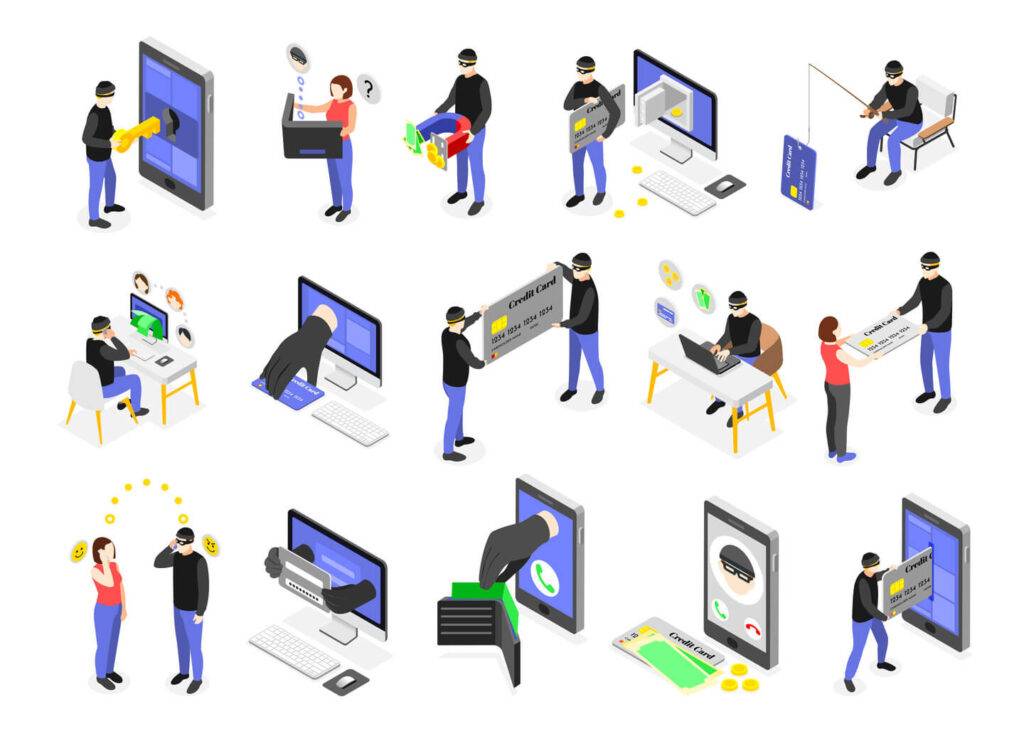
Limited Incident Response Capabilities
In the event of a cyberattack, small businesses often lack the resources and expertise to effectively respond and recover. This can lead to prolonged downtime, data loss, and reputational damage, potentially jeopardising the survival of the business.
Protecting your small business website requires a proactive approach to cybersecurity. Implementing strong passwords, regularly updating software, investing in firewalls and other security measures.
Ginormous Websites’ website maintenance plans give you peace of mind at an affordable monthly cost. These include our secure hosting and an SSL certificate so that you can be sure your site is secure and serving your customers. Your website is backed up to our servers and to the cloud, so that should a problem occur, your site can be restored promptly, often without your clients even being aware of it.
We monitor your site and are alerted if it goes down, or an unknown user logs in. We run daily malware scans to ensure anything nasty is caught and dealt with, plus we run a whole host of other features to keep your website safe.
To learn more about our website maintenance plans, visit our website maintenance page or get in touch for an initial conversation and start the journey to your best ever website.